PlatformDTC for enterprise
The commerce platform agents can run autonomously
Replatform onto one system for storefront, checkout, subscriptions and fulfillment — then give agents scoped access to run it, with every action logged.
Original research
We measured how 147 DTC brands look to a shopping agent
The DTC AI Crawler Index requests every brand’s discovery documents and records what an agent can actually read. The full method, the raw results and the two numbers we had to correct are all published.
Free tool
See your product page the way a crawler does
The agent readiness checker fetches your page with JavaScript disabled, reads the structured data an agent would parse, and tells you what is missing. No account required.
Study
Agentic checkout is already live on half of DTC
We called the endpoints on 58 well-known DTC hosts. 31 serve a live UCP discovery document and every one of them answers a Model Context Protocol tools list. The hosts and the transcript are in the post.
Security
The control plane that makes autonomous agents safe to run
Scoped keys, an approval gate on spend, idempotent mutations and a full audit trail — the Agent Gateway security model, documented end to end.
Total cost of ownership
Compare what your current platform actually costs to run
Platform fee, payment margin, app subscriptions and the engineering time replatforming consumes — laid out side by side against what the same operation costs here.
Migration
Run PlatformDTC in parallel before you cut over
Import your catalog, rebuild the storefront against your brand and keep the old platform live until the numbers agree. Nothing about the switch has to be a leap.
Solutions
One system for how you sell
Online, B2B and in-person orders share one catalog and one order record.



PlatformDTC advantages
The self-driving engine built for what comes next
One system runs storefront, checkout, subscriptions and fulfilment, and agents operate it through the same scoped, audited API your team uses.

Accelerate at AI speed
Describe a store, a landing page or a Meta Ads campaign, and an agent builds it on your store.

Maximize revenue
Checkout runs on your own domain, with Apple Pay, Google Pay and PayPal built in.

Peak-load performance
Checkout is served from the edge: median time to first byte 46ms and largest contentful paint 180ms in our own Playwright runs. Live availability per service is published on the status page.

Composable by design
Evolve your commerce architecture and reinvent customer experiences with a modular AI operating system.

Amplify developer output
Direct your engineers toward differentiated builds while PlatformDTC's AI layer handles the infrastructure beneath them.
Agent Gateway operations
Scoped dtc_* tools let an agent run catalog, campaigns, orders and reporting through one audited API.
Of agent actions audited
Every agent mutation is idempotent and attributed to a scoped key.
Why PlatformDTC
AI-first, commerce to the core
Relentless AI innovation
Accelerate faster with the work we publish as we ship it every year.
Autonomous efficiency
Amplify team output with an intuitive UI that lets AI handle the repetitive work.
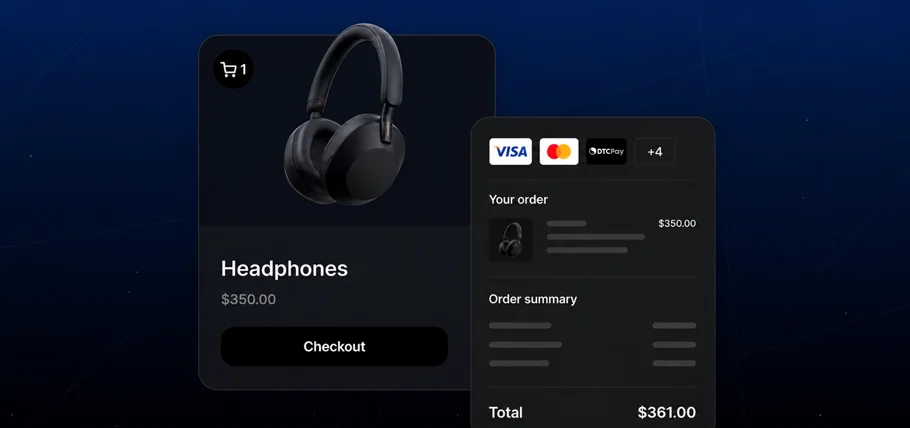
Checkout built for conversion
Checkout is served from the edge, with wallets and express payment methods built in — see the checkout details.

Instant, immersive global storefronts
Storefronts and checkout are served from a global CDN, close to wherever your customers are rather than from one origin region.
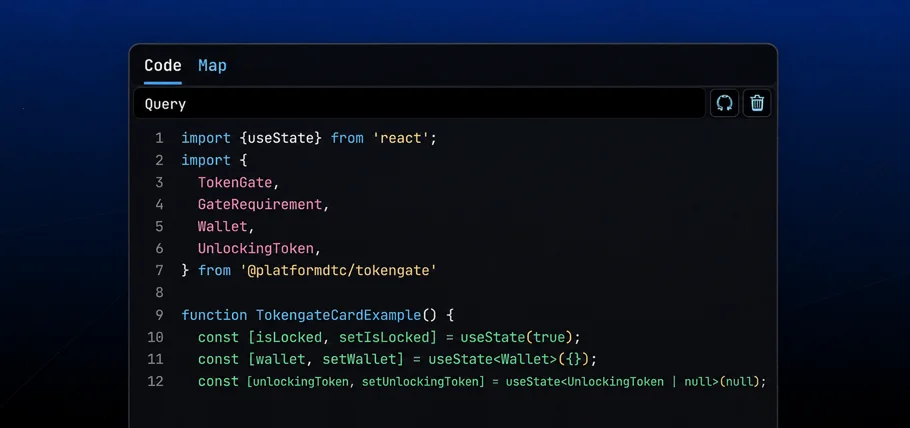
Developer-grade tools, built to extend
Comprehensive docs and flexible APIs for the teams building on top.
One order lifecycle
Storefront, subscriptions, payments, inventory, returns and fulfillment on a single system
32 governed agent operations
Scoped dtc_* tools and idempotent writes
The AI engine behind enterprise commerce
Talk to our enterprise team and discover how PlatformDTC integrates into your stack as a self-driving growth layer.
Frequently asked questions
- When is replatforming actually justified at enterprise scale?
- When the constraint is structural rather than a matter of effort. Four situations qualify: subscription or fulfilment logic that has outgrown what an app-integration boundary can express reliably, per-order platform and app cost that has become a real margin line, needing agents to perform write operations under scoped and audited credentials, or a capability that is genuinely unavailable rather than merely awkward. Slow themes and app sprawl are implementation problems that survive a migration intact.
- What is the integration-boundary problem?
- When subscriptions or fulfilment run as a separate system synced to commerce, the two disagree constantly in small ways: inventory that does not reserve against upcoming renewals so you oversell, discounts evaluated by two engines that stack differently, analytics that cannot attribute a renewal to the acquisition that produced the original order. Each is individually minor and collectively is where a great deal of operational time goes. It is invisible during a demo.
- What should we establish before signing anything?
- Three facts, all knowable in a week and all decisive. Whether stored payment credentials can move, in writing, from both processors — if not, every active subscriber re-enters a card and you lose a share permanently. How many URLs have earned traffic or links in the past year and whether the new structure has a one-to-one equivalent for each. And whether subscription state — next bill date, plan, discount history — reconciles, because errors there surface as wrong charges rather than failed imports.
- Why is onboarding sales-led rather than self-serve?
- Because the three facts above decide the outcome and none of them survives a signup flow. A migration that goes wrong on redirects, credentials or subscription state is worse for the brand than not migrating at all, and no amount of product polish compensates for getting them wrong.