PlatformDTC Payments
Take payments without a middleman
Cards, wallets and local methods on your own domain, with payouts, disputes and fees reconciled against the orders that created them.
Don’t have a PlatformDTC store? Start for free. Your first month is $1.
Simple Setup
Set up from your dashboard
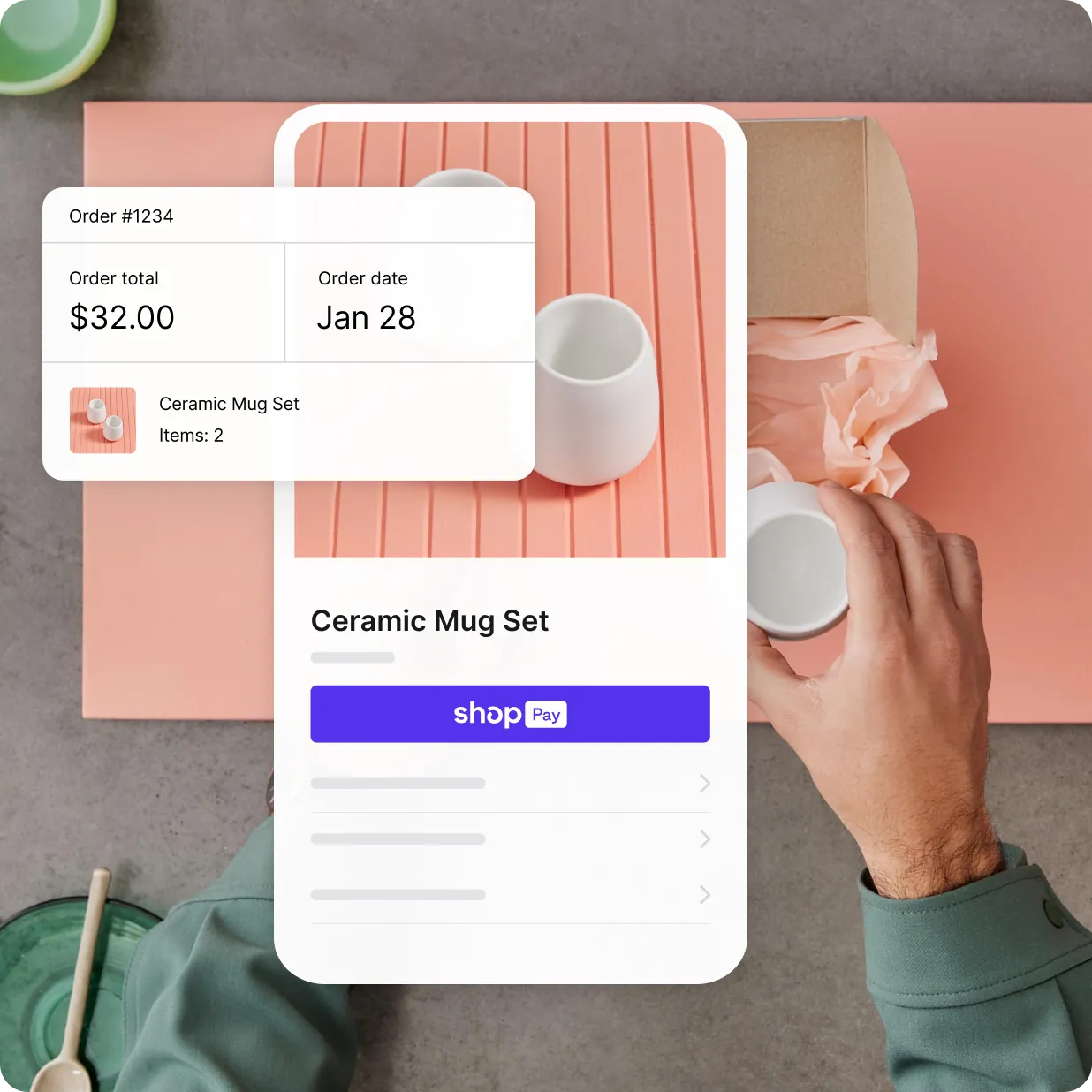
Turn on PlatformDTC Payments in Settings and complete business verification in the dashboard, with no separate gateway to integrate.
Convenient Checkouts
Let your customers pay their way
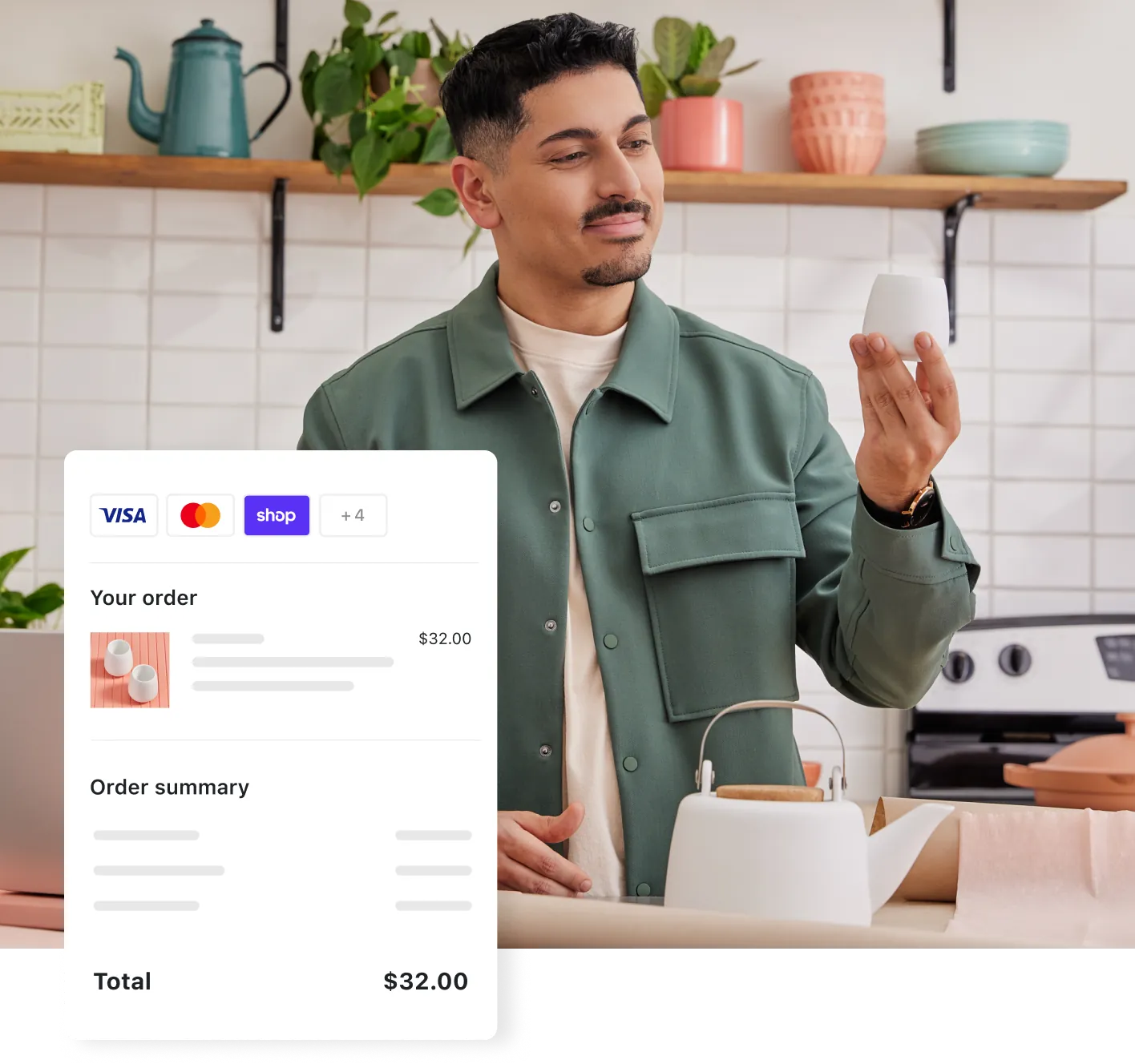
Boost conversions when you make shopping simple. Enable popular payment methods for smooth checkout experiences.
Keep payment info and business data safe
Card numbers are entered in the payment processor’s hosted fields rather than on PlatformDTC’s servers, and checkout supports 3D Secure.

3D Secure checkouts

Hosted card fields

Payment data encryption
Integrated Back Office
Feel in control of your cash flow
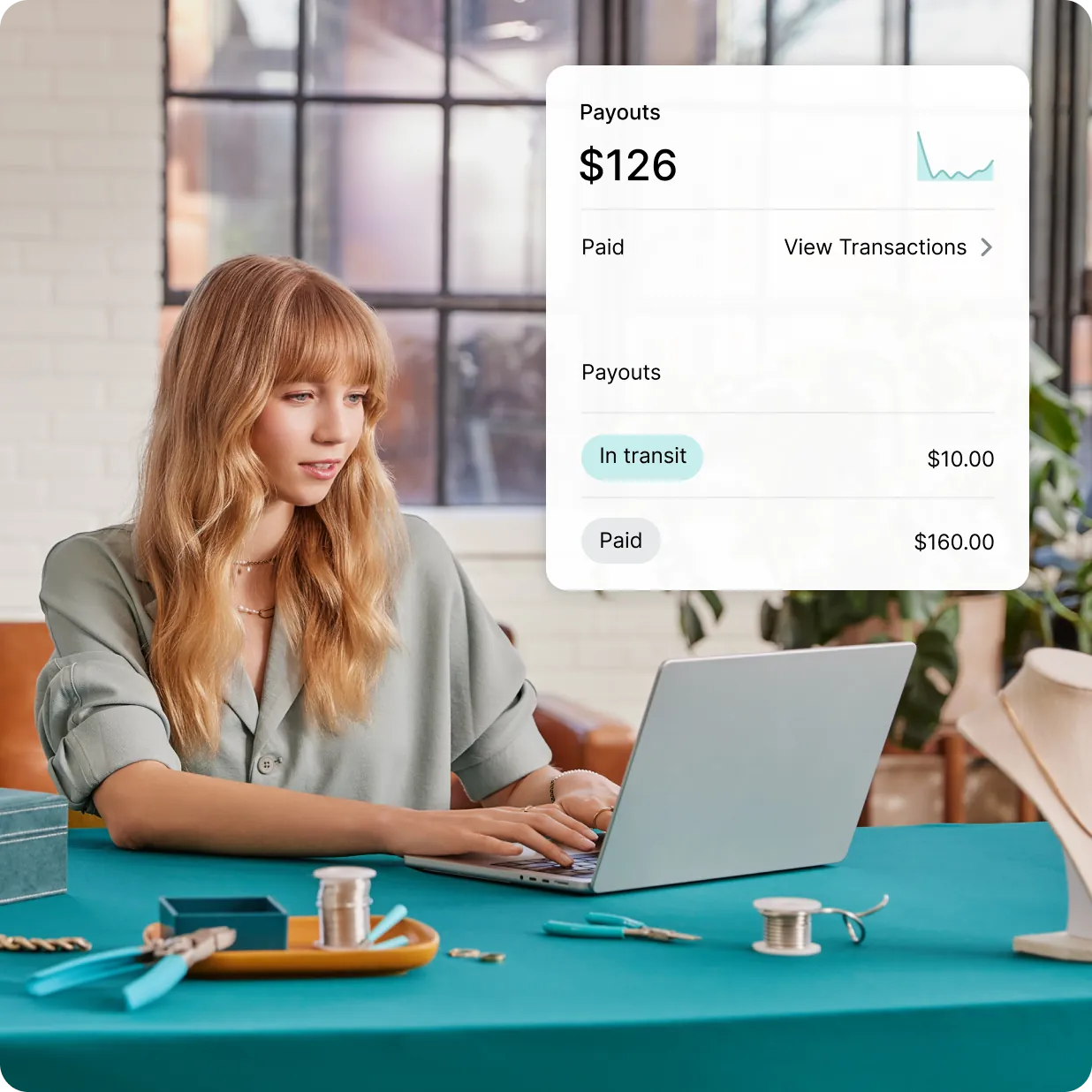
Orders, payouts and disputes from PlatformDTC Payments are tracked in the same dashboard.
Learn more about PlatformDTC Payments
Browse articles and learn how to accept credit card payments with PlatformDTC.
Try PlatformDTC for free
Explore all the tools and services you need to start, run, and grow your business.
Start for free. Your first month is $1.
Frequently asked questions
- Who owns the payment relationship?
- It depends on who is merchant of record. When a platform is MOR it assumes tax and dispute liability, which simplifies operations but means the brand does not own the processing economics, the settlement timing or the payment data. When the brand is MOR it settles into its own accounts and controls its processing arrangement, at the cost of owning tax registration and dispute handling. It is a genuine trade rather than a best practice.
- Why do some cards fail repeatedly and others recover?
- The issuer decline code says which is which, and most systems ignore it. Insufficient funds is a timing problem the same card usually clears within days. A stolen, lost or closed-account decline will never succeed on that credential, and retrying it does nothing but raise your overall decline rate — which can in turn depress approval on charges that would otherwise have gone through.
- What decides whether a chargeback is won?
- Evidence captured at transaction time, not argument assembled at dispute time. The merchants who win already recorded the authorization result, delivery confirmation, the version of terms the customer accepted, and the order IP and timestamp, and can assemble it automatically when notice arrives. Deadlines are set by the network, so a dispute compiled by hand is frequently lost to the clock rather than the merits.